Appliances cost-per-unit trend
Monthly median cost-per-unit for appliances liquidation lots across all nine marketplaces the engine covers. From live and ended lots. This is a record of what these lots cost: not a recommendation.


Median = the middle cost-per-unit across priced lots that appeared that month. Months with fewer than 30 priced lots show as insufficient data and stay off the chart.
How this trend is computed
Each point is the monthly median cost-per-unit across priced appliances lots: the middle value, not an average, so one outlier truckload can’t drag the line. Cost per unit is the lot’s price divided by its listed unit count, where the source publishes one, and each month’s figure is the median across that month’s priced lots.
Sparse months render as insufficient data and stay off the chart: a median over a handful of lots isn’t trustworthy. That rule gates the chart, the “Months with data” stat, and the month table above alike.
The lots behind the series come from the nine marketplaces in the feed: Liquidation.com, B-Stock, DirectLiquidation, 888 Lots, Via Trading, BlueLots, GovDeals, Musick, and QuickBidz. Sitewide medians, discount-vs-retail, and closing-time patterns are on the statistics page.
About appliances liquidation lots
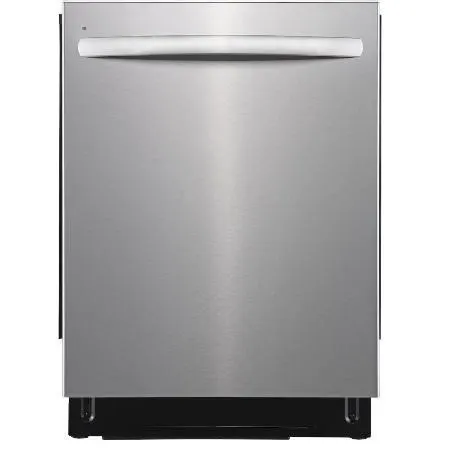
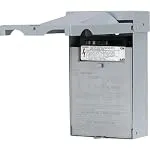
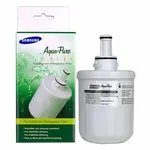
Appliance lots split cleanly into two shapes. Major appliances, refrigerators, washers, dryers, ranges, dishwashers, move as scratch-and-dent pallets and laundry-suite truckloads, usually from big-box returns and open-box programs. Small appliances arrive as mixed parcel pallets: microwaves, air conditioners, humidifiers, and countertop machines. Condition language is unusually specific in this category and worth reading literally, because "scratch and dent" describes cosmetic damage on a working unit while "customer return" on the same shelf may not power on at all. Piece counts are low and unit values are high, so a single non-working item moves the per-unit math further here than it does in a thousand-piece apparel lot.
Appliance lots are heavy and low-count, which makes freight the dominant term in cost-per-unit. A truckload of laundry suites can carry more shipping than bid. BStalker shows the freight-inclusive per-unit number where the platform publishes a quote, and the listed condition grade beside it. It does not estimate what share of the units power on.
What goes into a per-unit number, bids, buyer premiums, freight, is covered in liquidation pallet costs explained, and the live lots themselves are on the appliances lots page.
Watch live appliances lots and get an email when a saved search matches. Unlock everything for $9.99/mo.
See plans →Free account, no card: create yours