How to buy Best Buy return pallets
Best Buy sells its own returns through Best Buy Liquidation Auctions, which runs on the B-Stock marketplace and ships from Best Buy distribution centers. That’s the official channel: pallets of consumer electronics: laptops, tablets, headphones, wearables, smart home devices, and small appliances, sold by auction and usually manifested.
To buy well: work from sources that publish a manifest and clear condition grades, value the lot on real resale comps rather than MSRP, and price freight and the buyer’s premium in before you bid, and know going in that electronics returns must be tested piece by piece, because dead units are common. Below is the step-by-step, plus how to see what’s actually live right now instead of guessing.
Where Best Buy return pallets actually come from
When something is returned to a Best Buy store, it usually can’t be resold as new. Best Buy routes that inventory into liquidation, and its official outlet is Best Buy Liquidation Auctions on B-Stock. Pallets of consumer electronics sold from Best Buy distribution centers, usually with a manifest. Brand-name lots (Apple, Samsung, Sony) draw the heaviest bidding; smart-home and accessory lots tend to be the quieter corner. The full review of the storefront, fees, categories, pros and cons, is at bstalker.com/directory/best-buy.
Plenty of lots advertised as “Best Buy returns” elsewhere are resold by middlemen, sometimes at a markup over what the original source charged, and social-media “pallet deals” are where most beginners overpay. The rule that protects you is simple: buy from the original liquidation marketplace, insist on a manifest and a stated condition grade, and be skeptical of any “Best Buy pallet” sold without either.
What’s live right now
BStalker watches B-Stock, where Best Buy Liquidation Auctions runs, alongside eight other US liquidation marketplaces, in one feed.
- 1,123 live B-Stock lots. The marketplace that hosts Best Buy Liquidation Auctions (note: B-Stock also hosts Amazon, Walmart, Target and 40+ other storefronts, so not every lot is Best Buy-sourced)
- 65,873 live lots total across 9 platforms, searchable by keyword and category
Closing soonest among live B-Stock lots matching “Best Buy”: by title, seller, or manifest contents. $/unit = the lot's total cost divided by the unit count the source publishes.

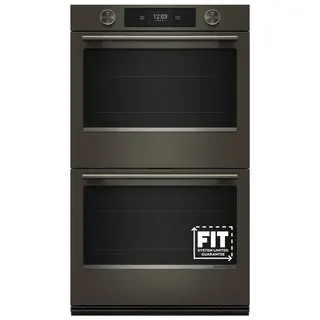
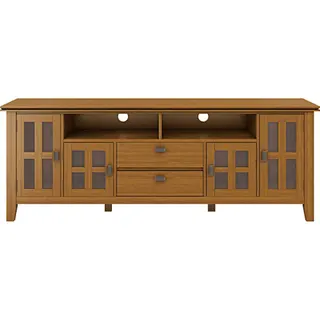
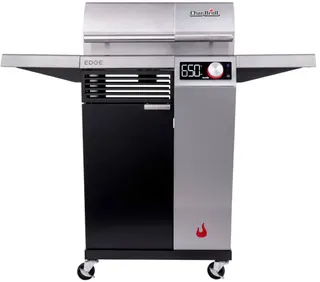
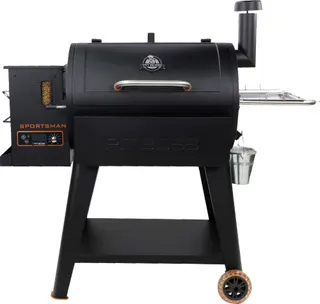
Because BStalker indexes manifest contents where the marketplace publishes them, a search for a specific product matches items inside a pallet, not just the lot title: useful when you’re hunting a category rather than browsing. B-Stock coverage detail is at bstalker.com/platforms/b-stock.
How to buy, step by step
One, register on the marketplace. Best Buy Liquidation Auctions on B-Stock is a business-buyer channel, and a resale certificate is required to register. Two, find lots in your category and read the manifest and condition grade, not the headline “manifest value”. Three, value the lot from real resale comps and discount MSRP hard, and discount harder than you would elsewhere, because electronics returns carry the worst failure rates of any B-Stock storefront and items sometimes do not match the manifest; never bid on an untested-electronics lot you cannot afford to have partly fail.
Four, work out your true landed cost, cost per unit is (winning bid + the 10%buyer’s premium + freight) ÷ units, and set a maximum bid that stays well under your conservative resale estimate, leaving room for the fees on whatever channel you resell through. Five, bid, win, pay, arrange freight or pickup, and test every item before listing. The full beginner walkthrough is at how to buy liquidation pallets, how to read the manifest is covered at how to read a liquidation manifest, and what lots typically cost per unit, live and by category, is at liquidation pallet costs explained.
Verify the requirements against the platform’s own pages: Best Buy Liquidation Auctions: official storefront · B-Stock buyer’s premium (10%): B-Stock Supply FAQ. Facts last verified 2026-07-02.
FAQ
Where can I buy Best Buy liquidation pallets?
Best Buy’s official channel is Best Buy Liquidation Auctions, which runs on the B-Stock marketplace and sells consumer-electronics returns, laptops, tablets, headphones, smart home devices, and small appliances, from Best Buy distribution centers. Buy from a source that publishes a manifest and clear condition grades, and avoid social-media resellers reselling pallets at a markup.
Are Best Buy return pallets sold directly by Best Buy?
Best Buy’s own returns are sold through Best Buy Liquidation Auctions on B-Stock, shipped from Best Buy distribution centers. That’s the closest thing to "buying from Best Buy." Many pallets advertised as "Best Buy returns" elsewhere are resold through third parties, so check whether the seller is the original liquidation source or a middleman adding a markup.
How much do Best Buy return pallets cost?
Like any liquidation lot, the sticker ranges from under $100 for a small pallet to five figures for a truckload, but cost per unit is what compares them: (winning bid + buyer’s premium + freight) ÷ units. B-Stock’s buyer’s premium is 10% (per its own Supply FAQ). Work it and freight into the math before you bid, and budget for the marketplace fees on whatever channel you resell through. Live median cost per unit by category is at bstalker.com/guides/liquidation-pallet-costs-explained.
Are Best Buy return pallets worth it?
It depends entirely on the manifest, the condition grade, and your sell-through, and electronics returns are the highest-variance category on B-Stock: dead units are common, and items sometimes do not match the manifest. Plan to test every piece before listing, read the manifest, discount MSRP hard to real market comps, and price freight and premium in before bidding. The honest cost/return picture is at bstalker.com/faq/are-liquidation-pallets-worth-it.
See real liquidation lots across nine marketplaces, B-Stock included: no account needed.
See live B-Stock lots →Free account, no card: create yours