Liquidation electronics pallets across every platform
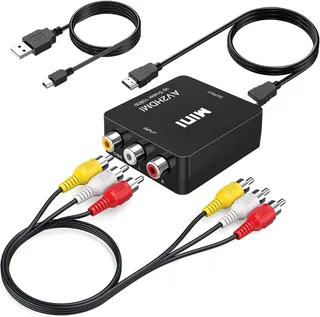
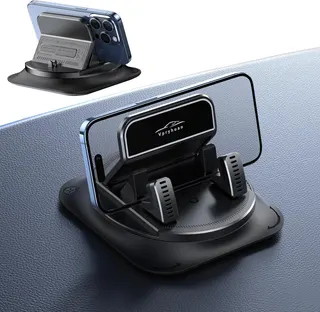
Electronics lots run from small-parcel accessory pallets (earbuds, chargers, smart-home gear) to high-value TV, laptop, and gaming-console loads. GameStop and Best Buy returns feed a lot of this volume on B-Stock; Liquidation.com carries carrier-return phone and tablet lots. Condition grading matters more here than in any other category. A "customer return" electronics pallet can be anything from untouched overstock to non-working salvage, so read the grade and manifest before bidding.
That count includes single-item listings. Of it, 623 are multi-unit lots. What the signed-in feed shows before you switch single items back on.




$/unit = the lot's total cost divided by the unit count the source publishes.

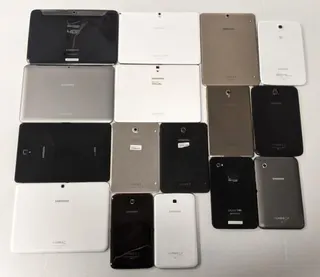

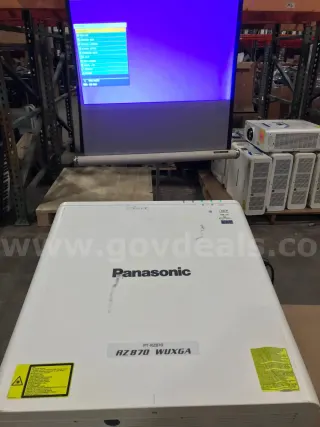
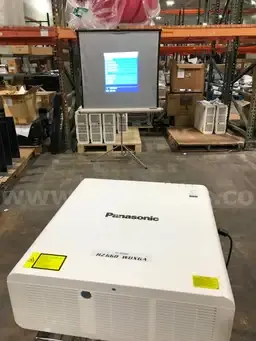


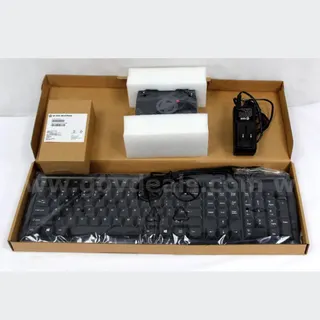
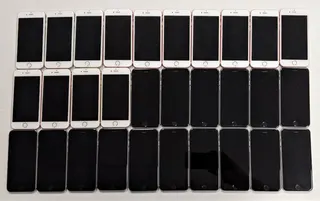

Click any lot for photos, the current bid, and price per unit. Every account gets 1 saved search that emails you when a matching electronics lot is picked up; a paid plan adds the seller manifest and the direct bid link.
What drives the cost-per-unit on electronics lots
Electronics per-unit depends almost entirely on the condition grade and the working-rate you assume. The manifest tells you the retail mix; the grade tells you how much of it powers on. BStalker surfaces the cost-per-unit from the listing so you can line lots up side by side. It does not estimate resale value or working rate.
Electronics lots by platform
See electronics on a single platform, or track a electronics cost-per-unit trend →