GovDeals Government Surplus Review & Guide (2026)
Last verified
Government surplus sold at auction by cities, counties, school districts, and state agencies across the US: fleet vehicles, IT hardware, office furniture, heavy equipment, scrap metal, and marine assets.
Live GovDeals lots on the feed → /platforms/govdeals
Key facts at a glance
| Pricing model | Auction |
|---|---|
| Buyer premium | Varies by listing Verify: GovDeals: official site |
| Minimum order | Single lot |
| Typical lot value | Single item to full fleet lots |
| Manifest | Agency-documented (photos + maintenance logs); some strictly as-is |
| Resale credential | Not required: public surplus auction |
| Ships from | Public-sector sellers, nationwide (buyer-removal) |
| Last verified |
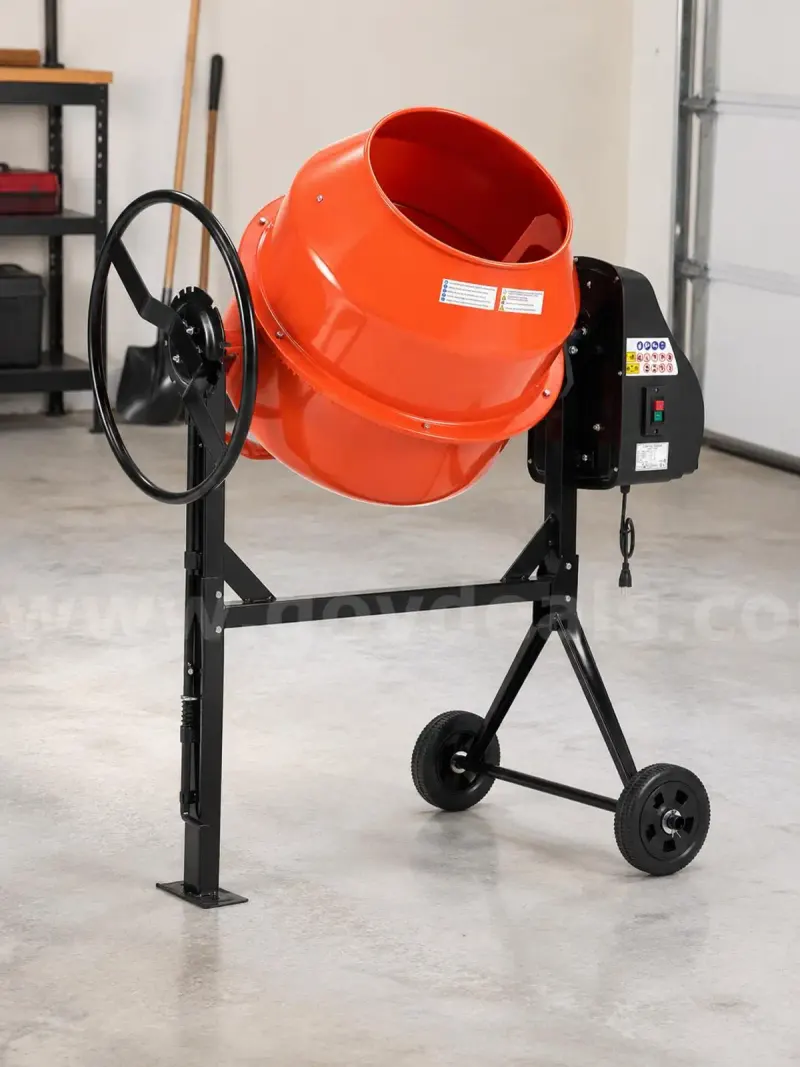
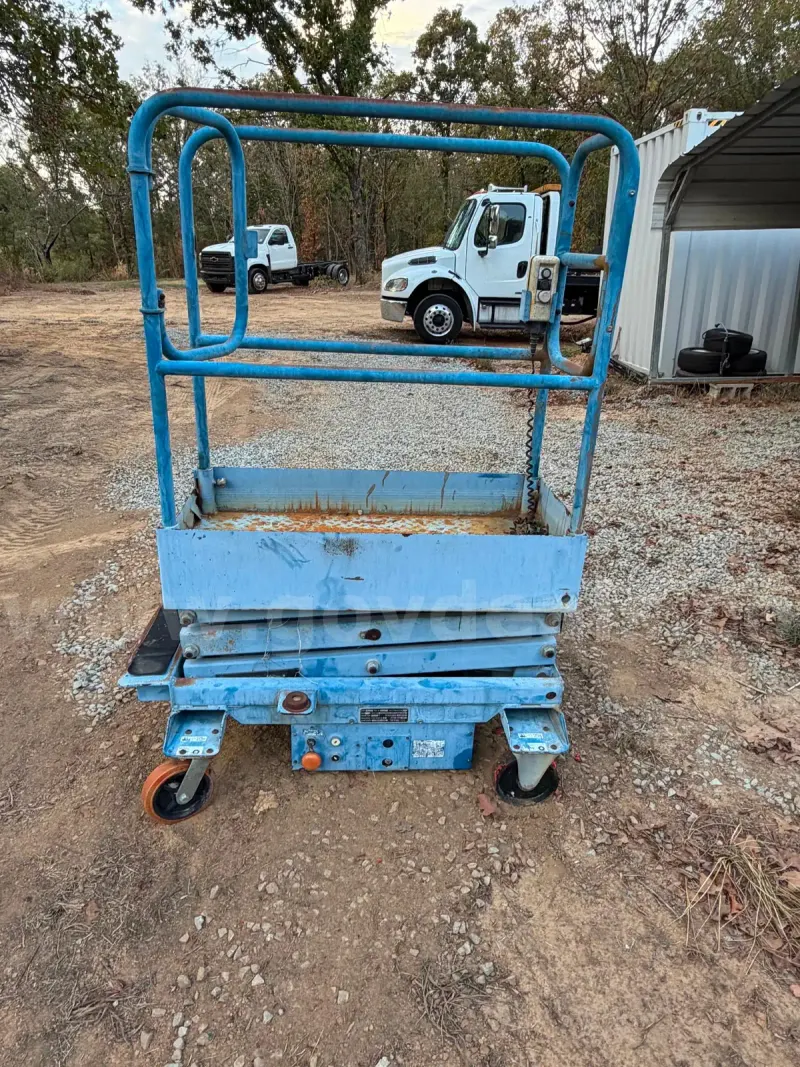
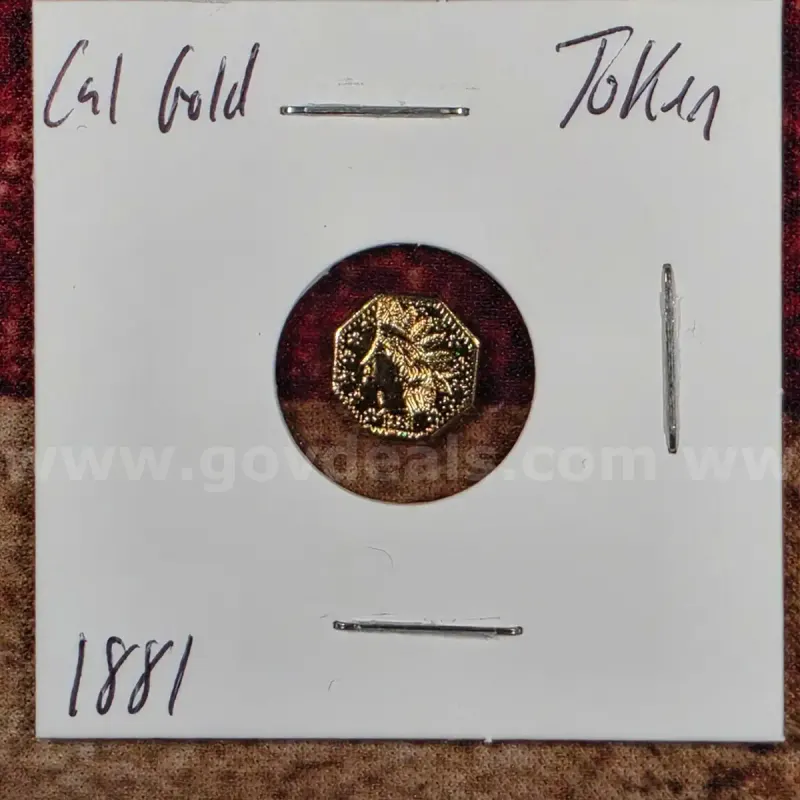
GovDeals is the surplus-disposal auction platform for cities, counties, school districts, and state agencies across the US. Whatever a public-sector entity is retiring shows up here. Vehicles dominate by lot count (police-fleet sedans, work trucks, school buses), with IT assets the next-largest cluster and heavy equipment appearing regularly from public works. Condition is exactly what the agency is retiring: usually well-documented with photos and a maintenance log, sometimes strictly as-is, where-is. The defining mechanic is removal. Every lot is buyer-removal, so you arrange your own pickup or freight within the agency’s window (usually 7–14 days) and agency staff won’t help. That makes freight pricing a pre-bid step, especially out of state, and some lots carry regional taxes or fees on top of the bid. The quieter value is in IT hardware and office furniture, which draw less competition than the vehicles.
What can you buy from GovDeals?
GovDeals lots most commonly cover these categories:
How does shipping work at GovDeals?
Every lot is buyer-removal: you arrange your own pickup or freight within the agency’s removal window, usually 7–14 days after the auction. Agency staff don’t arrange transport.
GovDeals pros and cons
- Vehicles are usually well-documented with photos and maintenance logs
- City-titled vehicles often sell under blue book
- IT hardware and office furniture surface at low starting bids
- No resale certificate required. Anyone can bid
- Buyer-removal only. You arrange all transport yourself
- Removal window is tight (usually 7–14 days post-auction)
- Some lots are strictly as-is, where-is
- Regional taxes or fees can layer on top of the winning bid
Pre-purchase checklist for GovDeals
- Price freight before bidding. Out-of-state removal is entirely on you
- IT assets (network gear, workstations, projectors) are a lower-competition cluster than vehicles
- Read the removal window and payment terms on every lot
- Check for fee-on-top regional taxes before setting a max bid
GovDeals FAQ
How much does a GovDeals liquidation lot cost?
Typical lots run Single item to full fleet lots. Minimum order: Single lot. Add the buyer premium (Varies by listing) and freight to estimate your true landed cost.
Does GovDeals charge a buyer premium?
GovDeals charges a Varies by listing buyer premium on top of the winning price. Verified against the platform’s own fee page.
Do you need a resale certificate for GovDeals?
Not required: public surplus auction. Anyone can bid: no resale certificate needed.
Compare GovDeals with other platforms
Head-to-head on fees, format, shipping, and manifests, with live lot counts from the feed.
Nine of these marketplaces, one live feed
BStalker aggregates live pallet and truckload auctions from nine of the platforms reviewed here, B-Stock, Liquidation.com, GovDeals, DirectLiquidation, 888 Lots, BlueLots, QuickBidz, Musick, and Via Trading, into one feed with comparable cost-per-unit ((bid + freight) ÷ units) and saved-search email alerts. You browse and get alerted in BStalker, then click through to bid on the source marketplace. BStalker never takes bids or payments.
A free account is a live demo of BStalker. Real lots, real numbers, no card. Full Access opens everything for $9.99 a month.